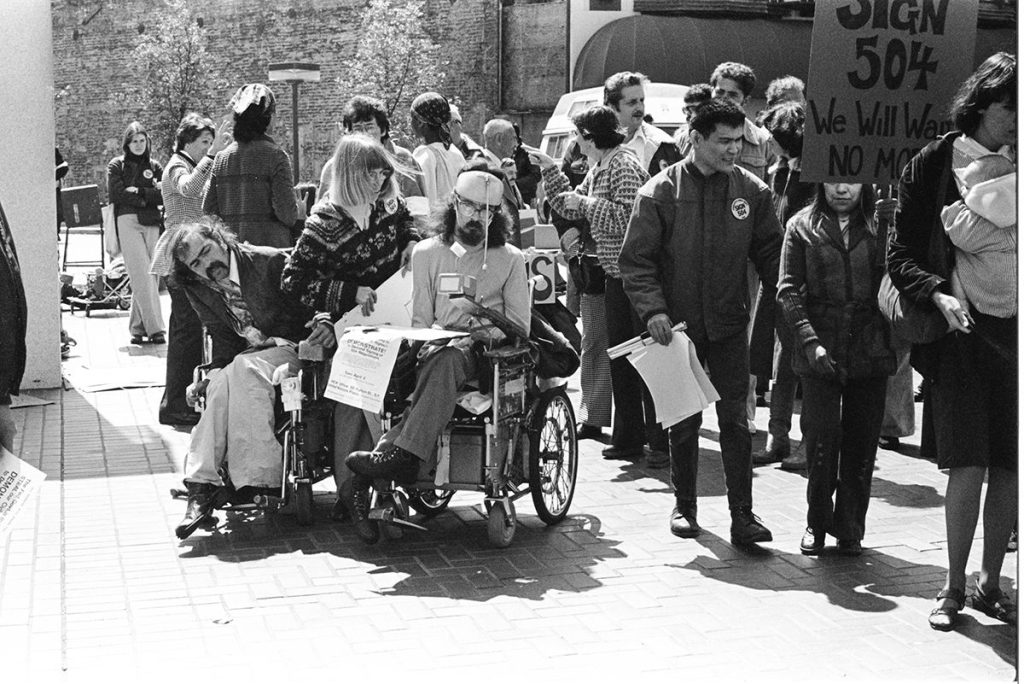



Aphasia research should include the opinions of people living with aphasia.
On this page:
Inclusive Research About Us
Research on aphasia is conducted without the input of people living with aphasia. As people living with aphasia, we want our voices to be heard about what research is important.
- Research should include people with aphasia.
- Research should be accessible to people with aphasia.
Aphasia Accessible Research
Access to current research developments should also be written in an accessible text and provided free of cost.
- Research and resources should be easy to adjust in font style and size.
- Aphasia-friendly language that is easier to understand and translate in other languages.
- Free of cost and easy to find in online searches.
- Built in screen readers or audio versions for ease of use.
In this section:
Top 5 research questions people with aphasia want answered
Key Information
- In this presentation, Jackie Hinckley answered the five top research questions from people with aphasia.
- Jackie and her team gathered votes from people with aphasia on which topics they wanted to hear about.
- Jackie received many ideas and sorted them to determine the top five questions. The questions:
- What is the impact of social connections?
- What are effective speech-language treatments?
- What training is there to help caregivers to communicate?
- How does stress/anxiety/frustration influence speech?
- What is the impact of aphasia on mental health?
[ FEEDBACK INFOGRAPHIC COMING SOON ]
Can you treat aphasia with magnet therapy?
Key Information
- Type: Randomize controlled trial
- Participants: Individuals with chronic post-stroke aphasia
- Interventions: Computer-based aphasia therapy
- Goal: Do computer-based therapies benefit people with chronic aphasia?
- Results
- Participants in the computer-based therapy group showed statistically significant
- improvements in language abilities
- The language improvements were sustained over time
- Computer-based therapy group reported improvements in quality of life
- Computer-based aphasia therapy was cost-effective
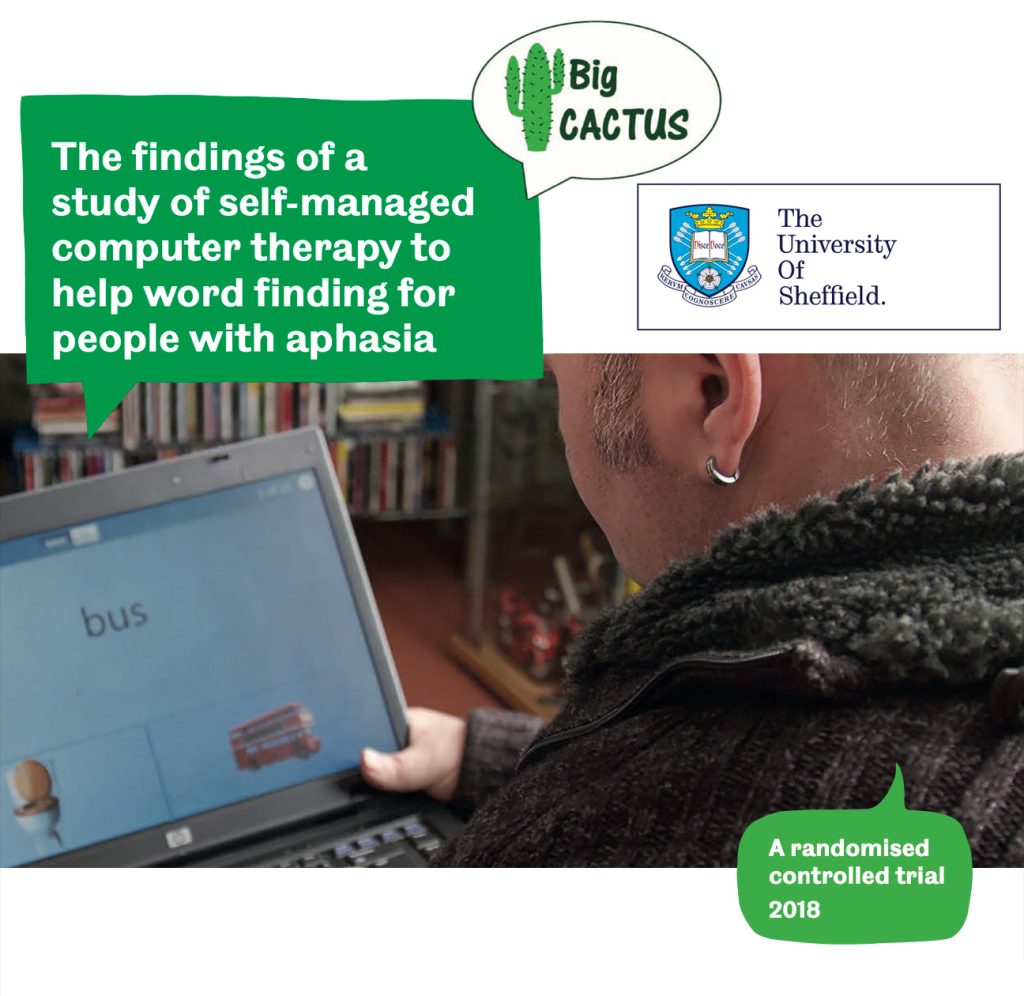
Big CACTUS: Self-managed computer therapy for aphasia
Key Information
- Type: Randomize controlled trial
- Participants: Individuals with chronic post-stroke aphasia
- Interventions: Computer-based aphasia therapy
- Goal: Do computer-based therapies benefit people with chronic aphasia?
- Results:
- Participants in the computer-based therapy group showed statistically significant improvements in language abilities
- The language improvements were sustained over time
- Computer-based therapy group reported improvements in quality of life
- Computer-based aphasia therapy was cost-effective
Read more about the study on the University of Sheffield’s website.
Download a PDF of the Big CACTUS Results Booklet
Access more downloads and videos on the University of Sheffield’s website.