
New Ideas
Traditional medicine offers people with aphasia nothing but speech therapy. That’s too limiting.
What supports aphasia?
Accessing Technology ↓
Learning or re-learning how to use technology platforms that help with communication is critically important. For many of us, the stroke that caused our aphasia wiped out all our knowledge of how to use our devices. And, now that we have communication challenges, using technology can help us re-engage with the world. But we’re only offered speech therapy, which usually does nothing to help us re-learn technology. An extraordinary number of tools are available, but we receive information about them only in the most haphazard way. We’re left pretty much on our own.
Accessing Technology
- Learning technology is part of communication
- Aphasia impacts using technology
- There are tech tools
- They are not taught in helpful ways
- Alone to figure out tech
Many of us have found a variety of helpful treatments in our recovery from aphasia. Some of these are traditional Chinese medicine, especially scalp acupuncture; music therapy; transcranial magnetic current stimulation; hyperbaric oxygen; neurofeedback, and meditation. But the U.S. health care system does not offer these treatments or even tell us about them. We should be able to know where in the U.S. these are used.
Accessing Technology
- There are many types of treatment
- Chinese medicine
- Acupuncture
- Music
- Hyperbaric
- Neurofeedback
- Meditation
- Need access to all treatment
Nearly two-thirds of people with aphasia experience depression at some point, yet talk therapy does not support people with aphasia due to their communication disability.
Accessing Technology
- 2/3 of people with aphasia experience depression
- No accessible support
Technology
People living with aphasia struggle to use technology. Technology is a part of the way we communicate every day, and people with aphasia deserve support to re-gain access.
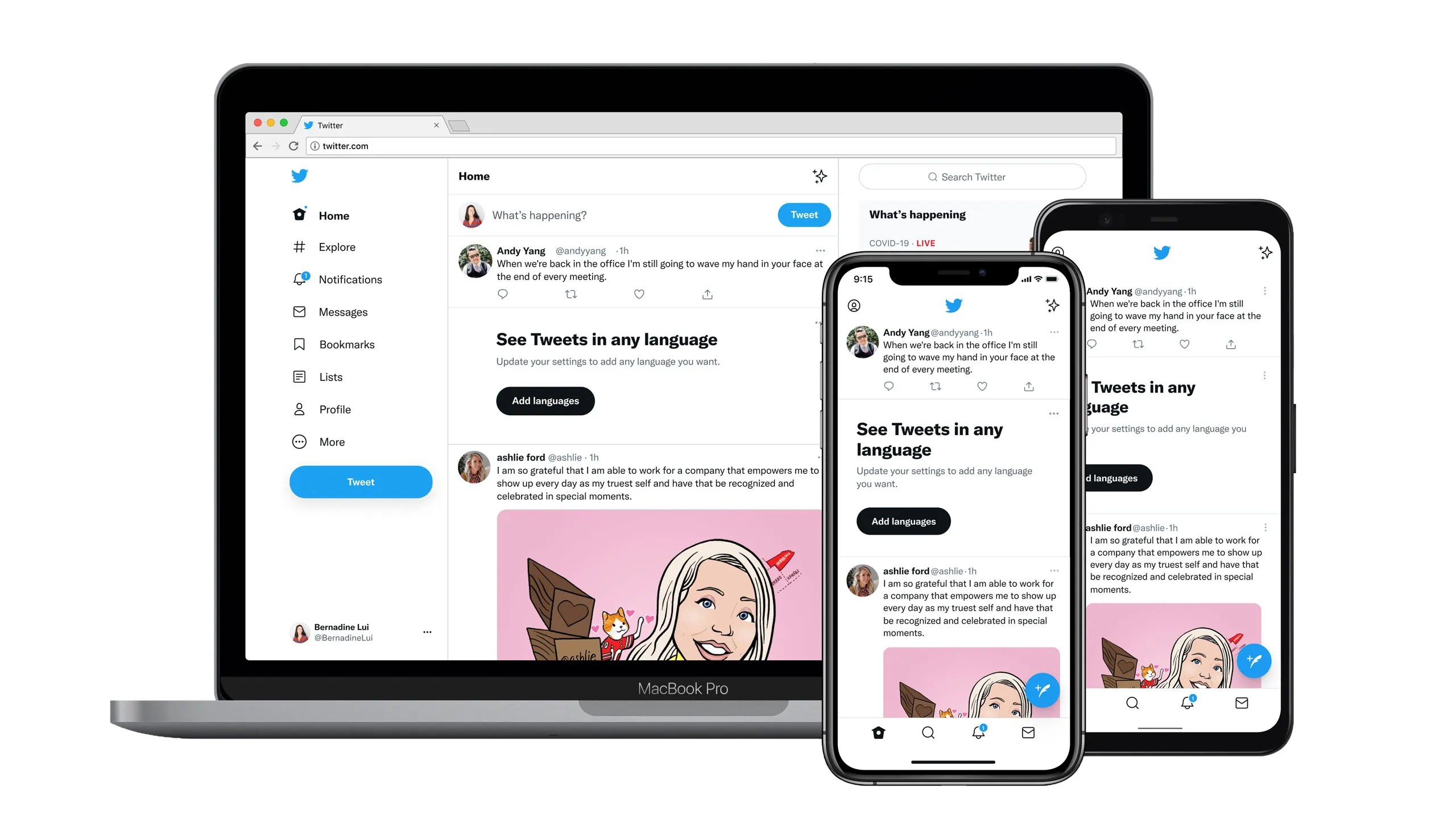
Understanding Visuals
Aphasia can make it hard understand details of an object, understand how parts fit together, or see the whole picture.
Social media websites are hard to navigate, and they change all the time!
Speaking
People with aphasia can’t access phone calls, leaving a voicemail, or leaving an audio note. Technology like video calling relies on our ability to speak.
- Access to technology for speech
- Portable speech-generating technology
- Screen readers for laptops, tablets, and phones
- Clear language
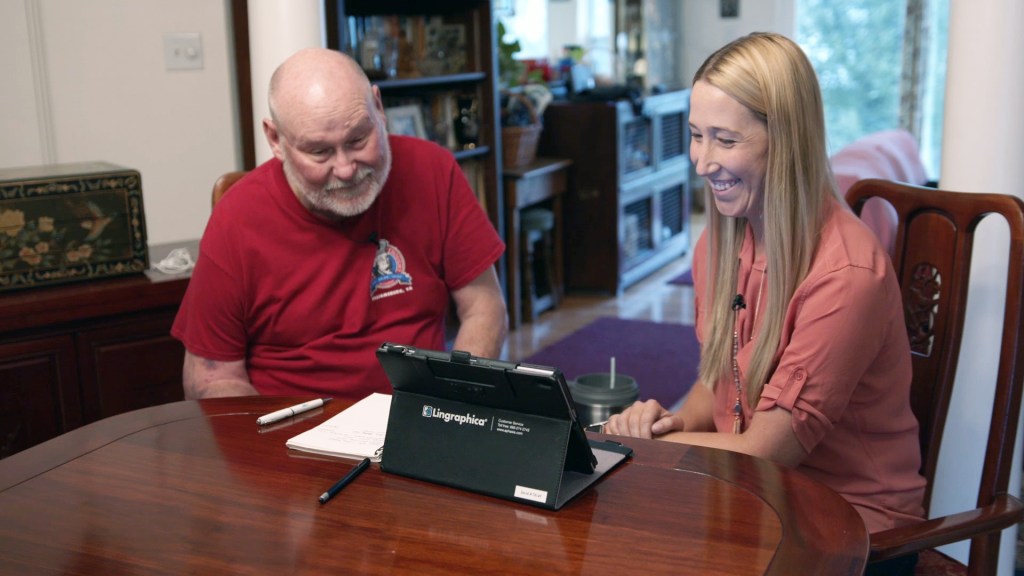

Listening
People with aphasia need supports for their comprehension.
- Key words
- Closed captions
- Clear language
Reading
Aphasia makes reading hard. There are words everywhere on the internet.
- Bold or underline keywords
- Clear language

Technology Resources
Using ChatGPT
ChatGPT is an AI-resource.
Use it to create aphasia accessible text.
Slides and video created by Chelsea Miller, Eli Leto, and Jeanette Hoffman
Thank you to students from the CSU East Bay Aphasia Treatment Program!
Alternative Treatments
Traditional Chinese Medicine
Take herbs and supplements.
- Herbs balance bodily energy and support overall health
- Herbs can enhance cognitive function
- Herbs can enhance circulation


Acupuncture
Needle stimulates brain and muscle activity.
- Increases blood flow in brain
- Increases connections in brain
- Decrease anxiety
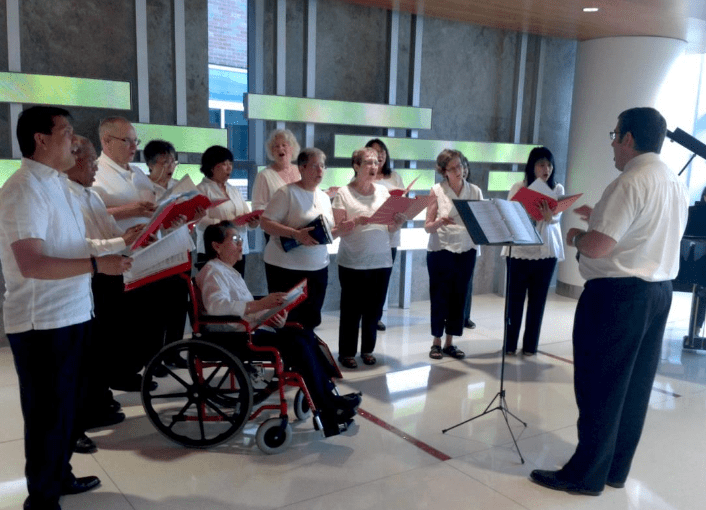
Music
Sing, on your own or in a group.
- Increase connection to healthy parts of the brain
- Improves speaking words and rhythm of talking
- Improves attention, memory, and solving problems

Hyperbaric Chamber
Breathe in pure oxygen in a pressure chamber.
- Increases circulation in brain, helping healing
- Reduces swelling in the brain
- Enhances body’s ability to heal
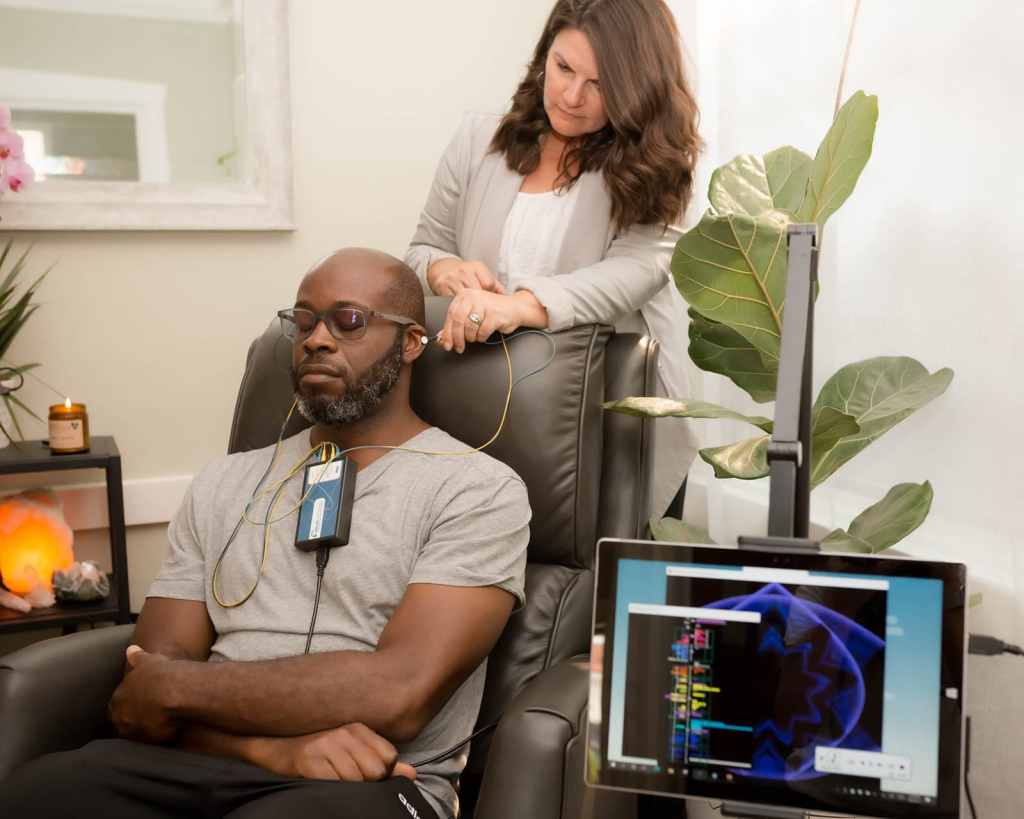
Neurofeedback
Electric signals are sent to brain to help it rewire.
- Helps enhance flow of brainwaves
- Targeted feedback helps specific areas of the brain that were injured
- Reduces anxiety
- Improves attention and problem solving

Meditation
Mindfulness and grounding exercises support recovery.
- Reduce stress and anxiety by understanding how you feel
- Improves attention, memory, and managing tasks
- Helps the brain form new connections
- Reduces fatigue
Mental Health Support
Depression
- Studies indicate that the prevalence of depression among individuals with aphasia ranges from 63%.
- People with aphasia are more likely to experience depression compared to stroke survivors without aphasia.
- The presence of communication difficulties makes feelings of isolation and frustration worse, increasing the risk of depression.
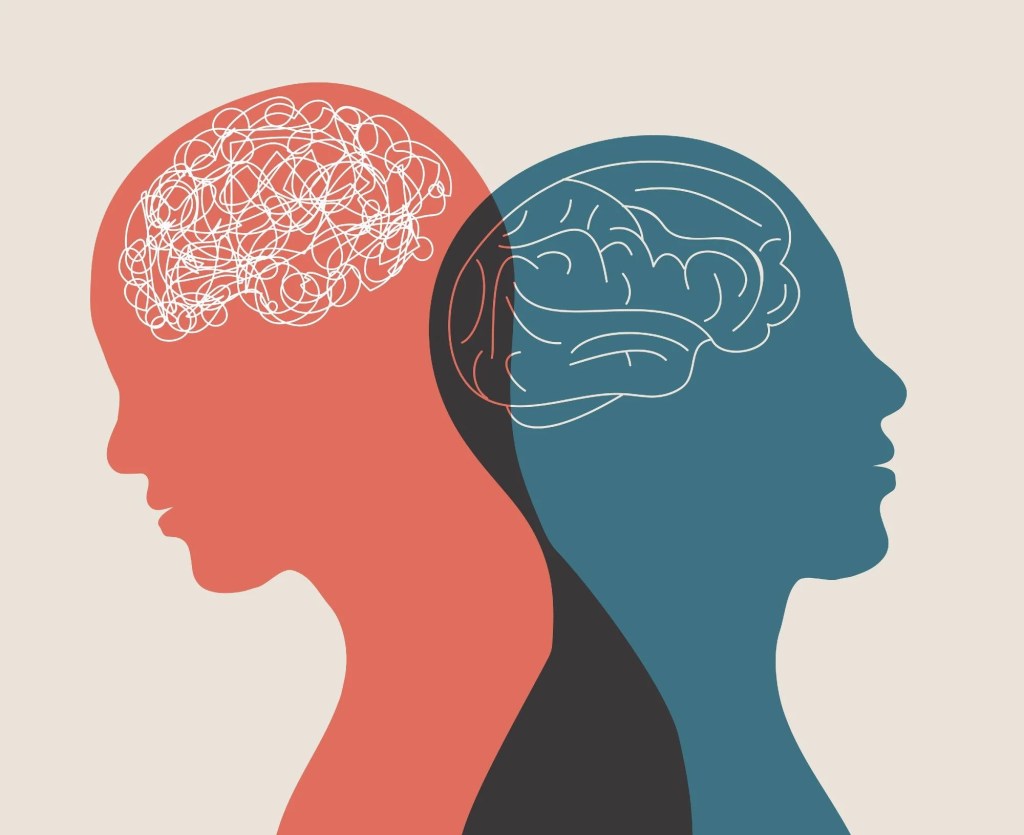

Aphasia and Depression
- Frustration and Emotional Distress The struggle to express thoughts and needs can cause immense frustration and emotional distress, contributing to depressive symptoms.
- Loss of Independence
Aphasia often results in a loss of independence in daily activities, which can negatively impact self-esteem and mental health. - Slower Rehabilitation Progress Depression can slow down the progress of rehabilitation by reducing motivation and engagement in therapy sessions.
 People Living with Aphasia Network