
Advocacy
People living with aphasia deserve and demand continued access to skilled services.
What do we demand?
Some 3 million U.S. residents live with aphasia; this number grows by nearly 200,000 annually. About one-third of people who have strokes end up with aphasia, and more people are having strokes as the U.S. population ages, however, few people know what it is.
- 3 million people have aphasia.
- Grows by 250,000 each year.
- 1/3 of people who have a stroke will have aphasia.
- Few people know about aphasia.
Aphasia is a language disorder that limits communication: speech, comprehension, writing, and reading. Difficulty with word retrieval is nearly universal, otherwise, what aphasia is like varies greatly from one individual to another. However, treatment tends to be uniform.
- Aphasia impacts communication
- Most difficult: finding words
- Everyone’s aphasia is different
- Treatment is the same
Some 63% of people living with aphasia also experience depression, which in turn makes recovery more difficult. And aphasia’s impact on quality of life has been found to be more severe than the impact of cancer or Alzheimer’s disease.
- 63% of people with aphasia also have depression.
- Aphasia makes living life harder than living with cancer or memory loss.
The health care system treats those of us with aphasia through a medical model, which is very limiting. That system imposes upon us an expectation of passivity, and when it decides it has done enough, cuts us loose, telling us that we’ve improved as much as we’re ever going to.
- Aphasia is treated through a medical model.
- The system tells us when we are done.
We do not accept this!
We – people with aphasia – are ready
to organize to change the current system.
Rights for Aphasia
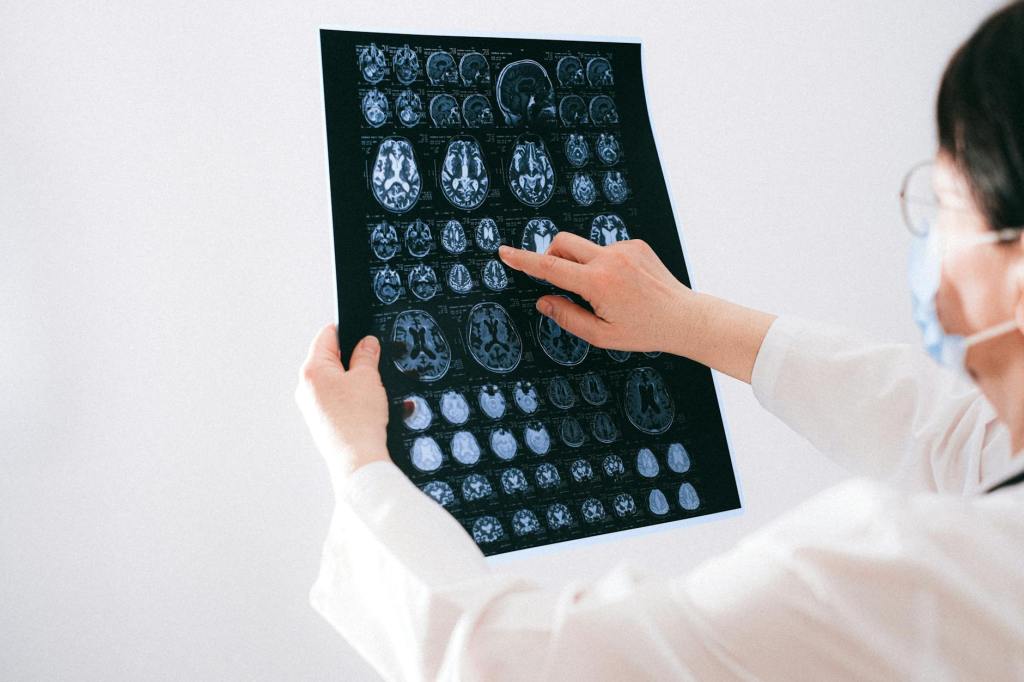
1. Yearly Imaging & Assessment
Access to annual cost-free brain imaging and assessment of the extent of our recovery should be available, along with consultation with a neurologist or other qualified person who can help us understand what the assessment and image show. This should also include assessment of changes and improvements.
2. Technology for Aphasia
People with aphasia need access to technology. We often communicate using phone, email, text, and video call. Re-learning technology is also part of supporting our communication. Support should include learning or re-learning technology, and continued support when the design changes.
3. Treat Depression
Given the prevalence of depression among people with aphasia, a broad range of potential treatments should be considered.


4. No Limits on Treatment
Medicare and other insurance programs should cover treatment and therapies for as long as a person has aphasia, with no arbitrary limits. Aphasia as a condition that is chronic rather than acute. Most of us will have aphasia for the rest of our lives, so we need ongoing therapies.
Rights and Regulations for Aphasia
Federal law says that people on Medicare can continue getting therapy that Medicare pays for, including speech therapy, with no time limit, as long as:
- It is reasonable and necessary
- A qualified, “skilled” therapist is providing it
- The therapist or a physician developed and regularly reviews a plan of care that includes diagnosis, goals, and type, amount, duration, and frequency of therapy
- The person is under a physician’s overall care
Code of Federal Regulations
§ 409.44 – Skilled services requirements
§ 410.62 – Outpatient speech-language pathology services
When people have aphasia after a stroke or other brain injury, they usually get speech therapy. This is true for both “traditional” Medicare and Medicare Advantage plans like Kaiser Senior Advantage. But for most people, speech therapy stops at some point. They are told that they’ve used up their allotted time or number of visits.
- After stroke, you have speech therapy.
- Speech therapy stops. WHY?
Aphasia is a chronic condition. Many people improve, but few people actually “recover” from aphasia. So as long as the Medicare requirements listed above are met, people who have aphasia should be eligible to have Medicare pay for continued speech therapy.
- People do not recover from aphasia.
- Aphasia is chronic.
- Treatment should continue.
It is not true that people have to improve in order for Medicare to keep paying for therapy. Sometimes people are given this as a reason why therapy cannot continue, but this policy violates the law. People who needed various kinds of therapy filed a class action lawsuit against Medicare, called Jimmo v. Sebelius, Medicare settled the case and agreed that it has to cover therapy both to help people get better and to prevent them from getting worse.
- You do not need to improve to keep therapy.
- Therapy is for when you improve.
- Therapy is to keep you from getting worse.
5. Appropriate Treatment for Aphasia
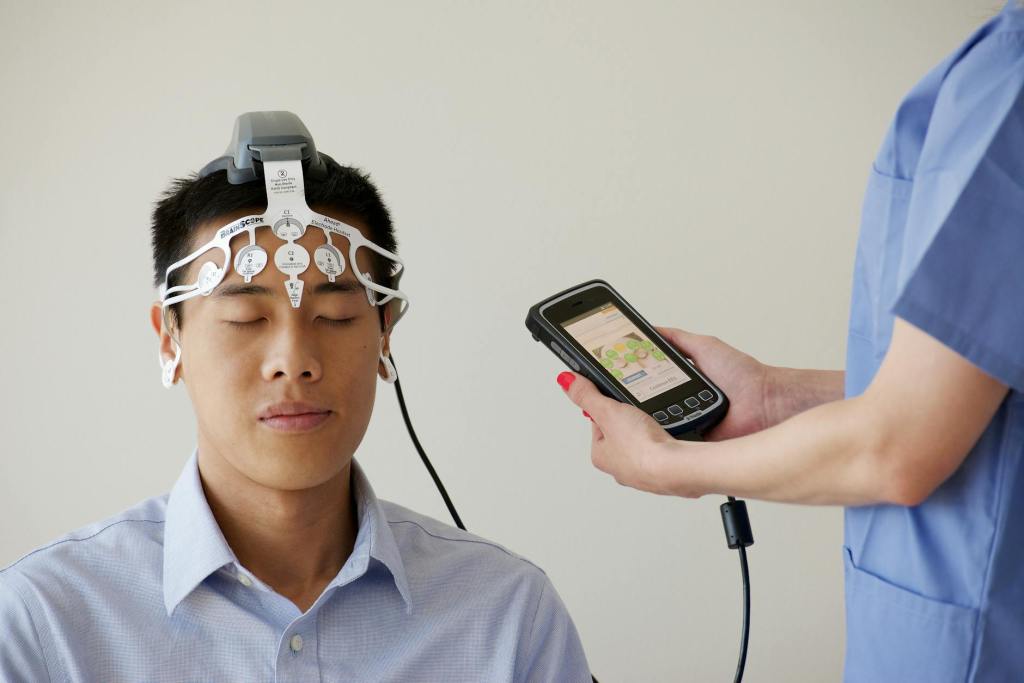
Insurance should cover a broader range of services than the traditional speech, physical, and occupational therapies. Many of us have found other treatment modalities helpful; among these are peer therapy, counseling, herbal medicine, meditation, hyperbaric oxygen, repeated transcranial magnetic stimulation, neurofeedback, and Traditional Chinese Medicine including acupuncture.

6. New Research Developments with Free Access
Access at no cost to information about aphasia new research developments in the field, and published studies should be available. This information must be fully accessible, i.e., available in varying languages and formats. Written and video material must be translated into any language spoken by more than 5% of a community.
7. Cultural Competence with Aphasia
More therapists who reflect the range of people in the aphasia community – Black, Latino, Asian, and Native as well as White. Currently over 90% of speech therapists are White women. We need a broader spectrum of therapists, and all must be trained in cultural competence.

8. Transportation Access
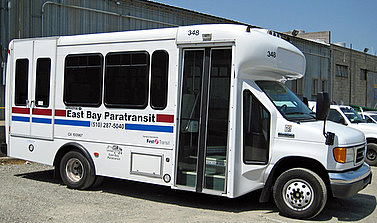
Paratransit at no cost for those of us who cannot drive, with minimal wait times. Paratransit services should allow travel between counties and get people where they need to go without exception.
9. DMV Access
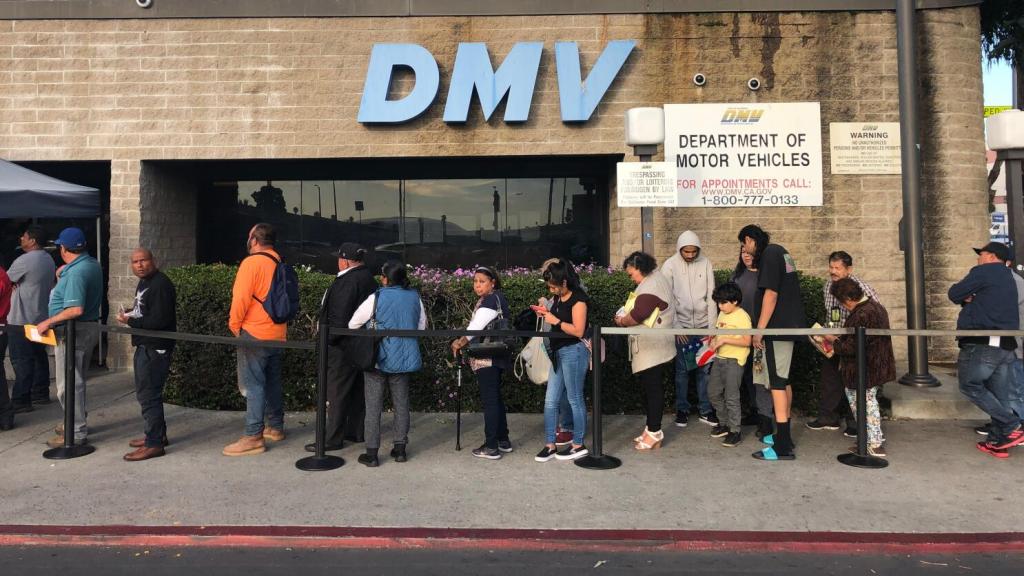
Access to a cost-free refresher driving course four times per year. The Department of Motor Vehicles should offer these courses and reinstate driver’s licenses for those of us who pass the refresher course. These courses should be available in accessible language including languages other than English and should accommodate people who have difficulty speaking.

10. Support for Caregivers
Respite care at no cost for our partners, spouses, caregivers, and advocates if we have severe mobility impairments or otherwise need nearly constant care. These people do heroic duty and need breaks from constant caregiving. Partners and other caregivers for those of us who do not need constant care are nonetheless indispensable to our quality of life and recovery and should have access to support groups if they desire.
11. People of Color, Gender, & Language Diversity in Aphasia Research
Support for research to determine demographic information about the prevalence of aphasia disaggregated by race, gender, age, income, language, immigration status, and geography. We should be able to know what health conditions commonly co-exist with aphasia and whether these conditions vary among demographic groups, whether strokes and/or aphasia are underdiagnosed among certain groups.

 People Living with Aphasia Network